📍 Izamal
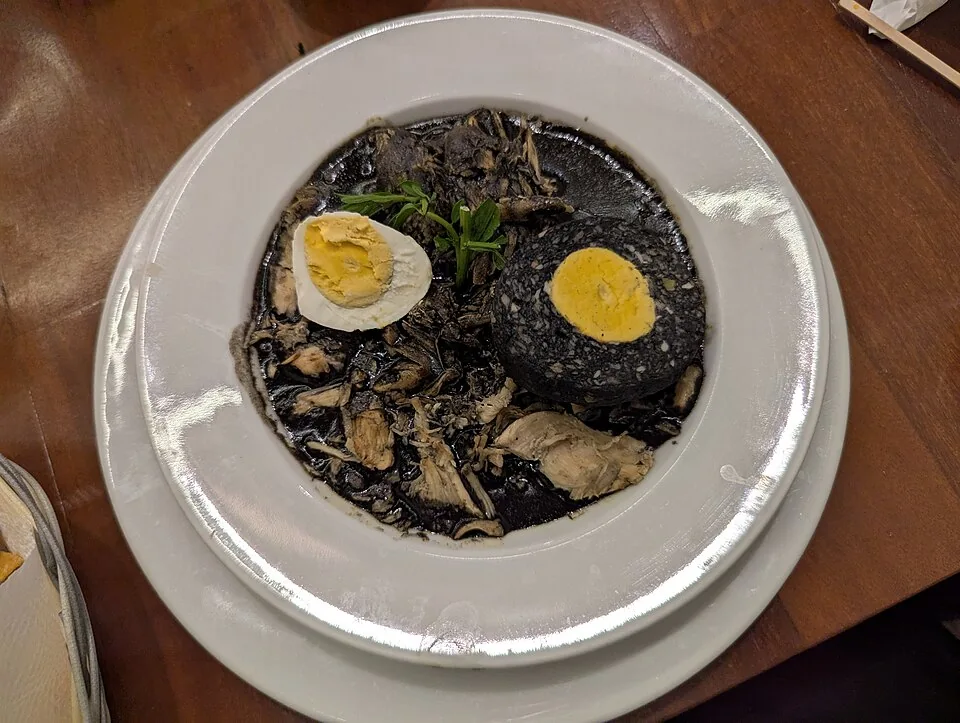
Relleno Negro
A turkey or pork stew in a dark broth of recado negro, with ground-meat 'but' meatballs and hard-boiled egg.
- Preparation
- 40 min
- Cooking
- 90 min
- Waiting and resting
- 0 min
History
An ancestral stew of the Yucatán Peninsula that blends Maya cooking with Spanish influences. Its characteristic color comes from recado negro, made of burnt chiles and tortillas. In Izamal, the Yellow Town, it remains alive in traditional kitchens.
Ingredients
Preparation
- 1
Dissolve the recado negro in broth with tomato, garlic, and epazote.
- 2
Cook the turkey or pork in that dark broth.
- 3
Prepare the 'but' meatballs with ground meat and a little masa.
- 4
Add the meatballs to the stew so they cook through.
- 5
Stir in the hard-boiled eggs toward the end.
- 6
Serve with tortillas and habanero chile.
Cooking tips
- Meatballs must reach 71 °C and turkey 74 °C; the dark broth is not a doneness indicator.
Technique and preparation
What to check during preparation
Use black recado sold for cooking rather than intensely burning chiles in an enclosed kitchen. Dissolve it in broth and taste before salting. Shape meatballs evenly for consistent cooking. Check the main meat and meatballs separately because poultry, pork and ground meat require different temperatures. The dark broth color is not a doneness indicator. Add cooked eggs near the end.
References to consult
References provide information about the dish, its context or a technique. Quantities in this version may differ from those in the source.
Keep exploring
More flavors from Mexico
 🍽️ Lunch⏱ 25′
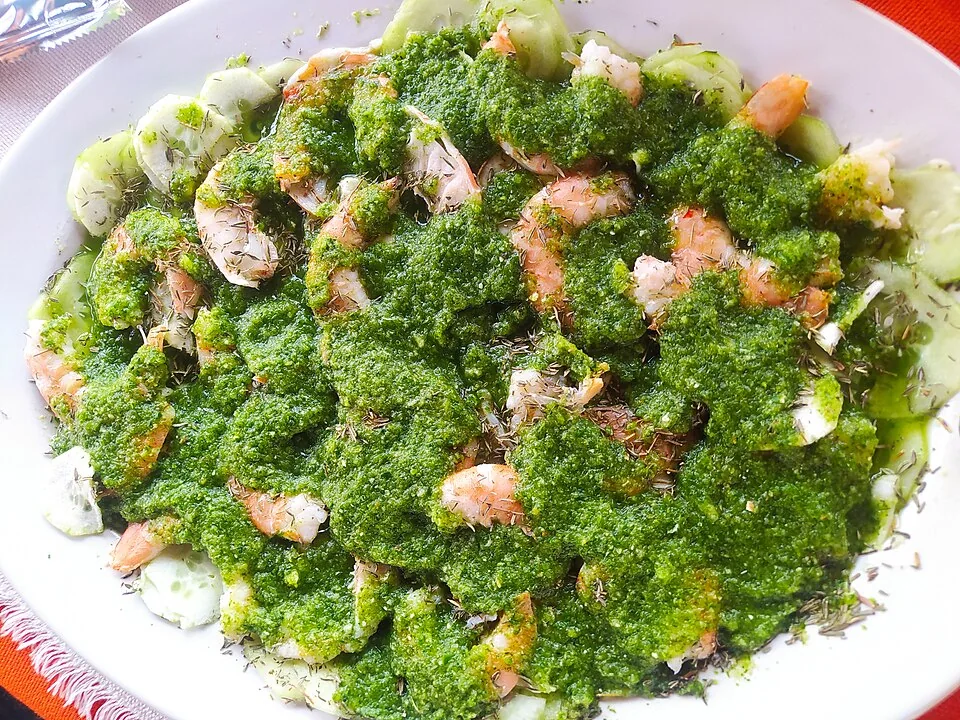
Green aguachile with cooked shrimp
An adaptation of Sinaloan aguachile with cooked shrimp, lime, serrano, cucumber and red onion.
 🍽️ Lunch⏱ 30′
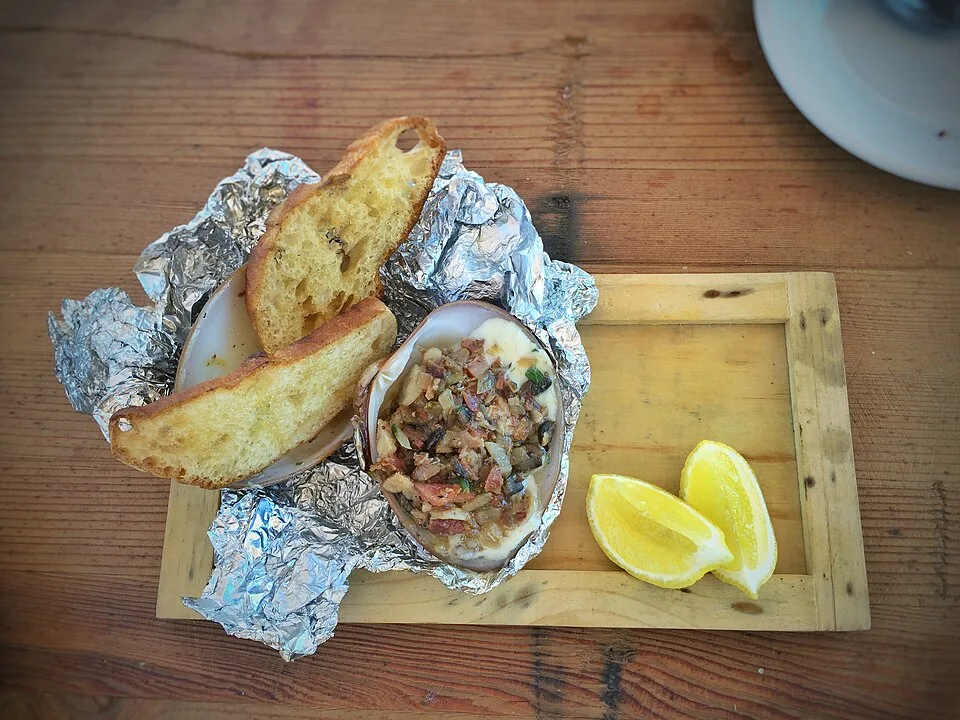
Almejas tatemadas (fire-roasted clams)
Grilled chocolate clams: a home adaptation of the dish associated with Loreto.
 🍽️ Lunch⏱ 60′
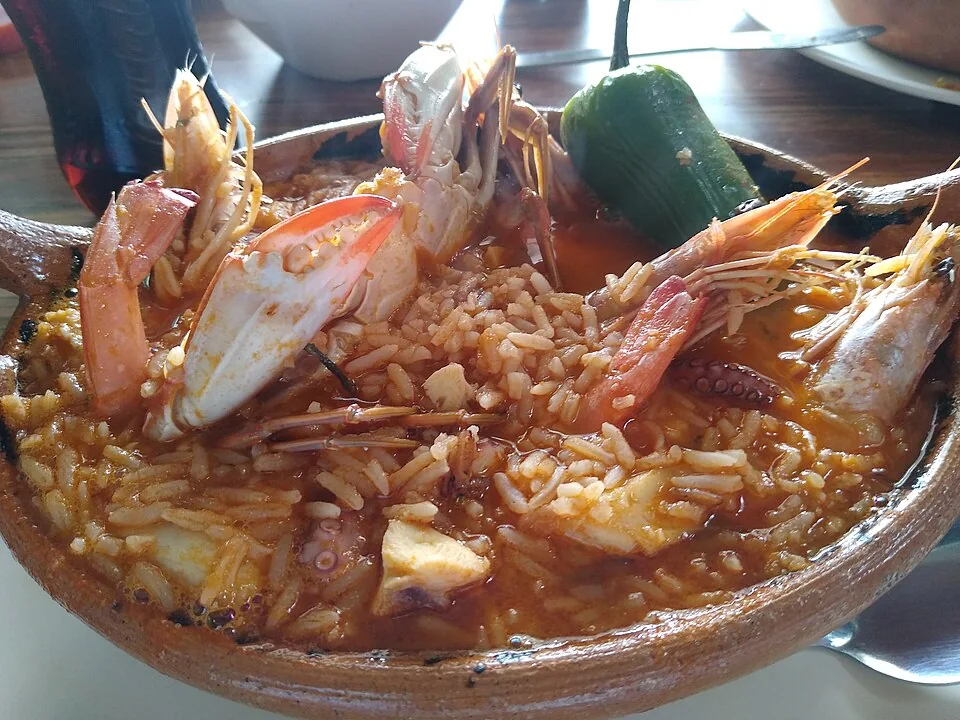
Arroz a la Tumbada
A soupy tomato rice perfumed with epazote and loaded with seafood and fish from the Veracruz Sotavento.
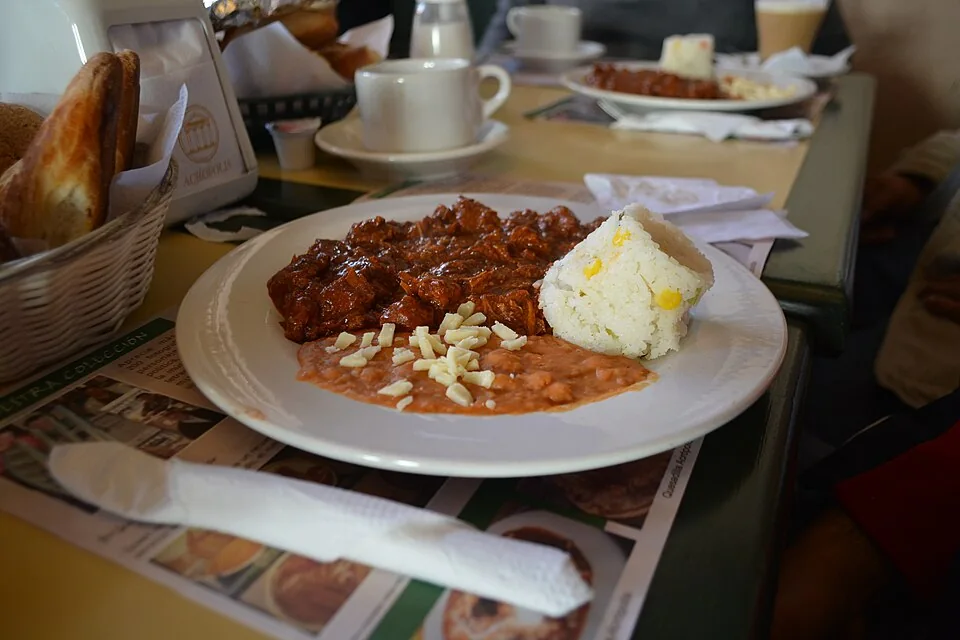 🍽️ Lunch⏱ 120′
Asado de boda zacatecano (Zacatecas wedding stew)
Pork in a sweet-and-sour sauce of dried chiles with chocolate and spices, a ceremonial stew of Zacatecas.
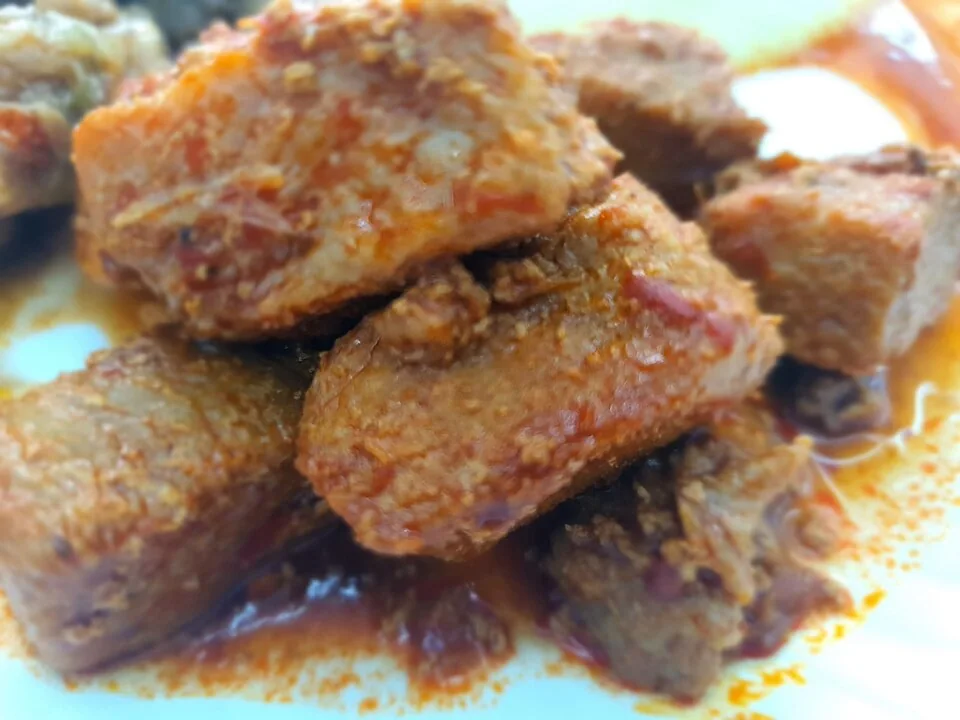 🍽️ Lunch⏱ 100′
Asado de puerco chihuahuense (Chihuahua-style pork in red chile)
Pork stewed in a red chile sauce with spices, served at parties and family meals.
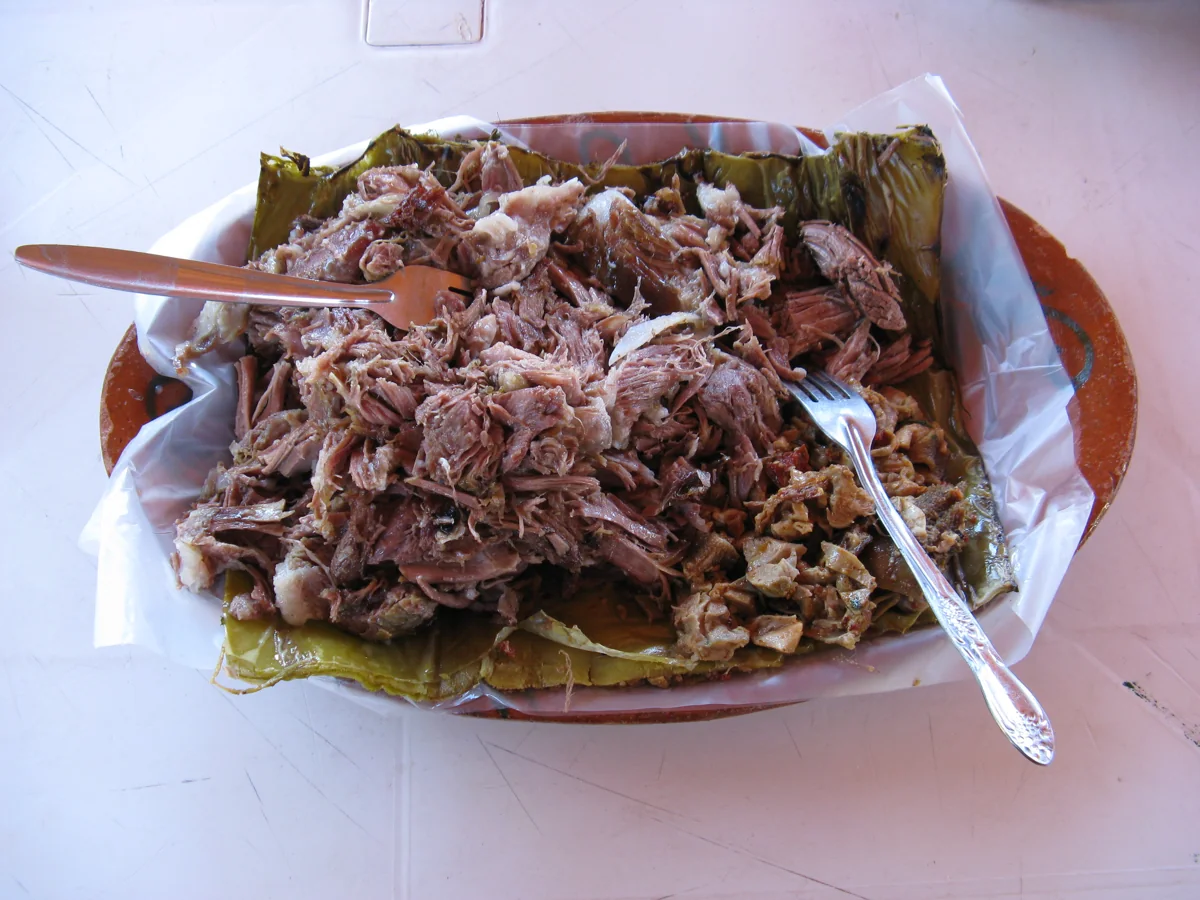 🍽️ Lunch⏱ 400′
Barbacoa de borrego (pit-cooked lamb)
Mutton slowly cooked in an earth oven, wrapped in maguey leaves until tender and juicy.