📍 Nuevo León
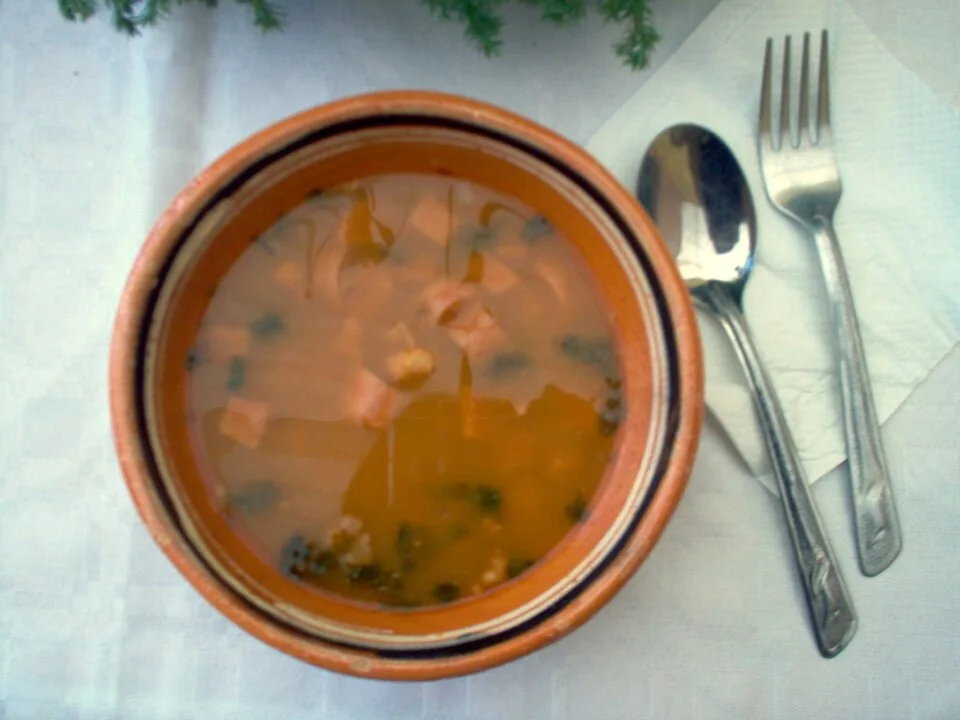
Frijoles charros (cowboy beans)
Brothy beans with bacon, chorizo, hot dog, and chile — the classic side for northern grilled meats.
- Preparation
- 20 min
- Cooking
- 90 min
- Waiting and resting
- 0 min
History
Tied to the cowboy culture of the north, frijoles charros were cooked over an open fire to feed the ranch hands. In Nuevo León they accompany the weekend carne asada; the broth carries cured meats, tomato, onion, and chile, and is served in a little clay mug.
Ingredients
Preparation
- 1
Cook the beans with onion and salt until tender.
- 2
Separately, fry the bacon and chorizo; add the sliced hot dog and brown.
- 3
Add tomato, onion, and chile and sauté into a base.
- 4
Pour this sauté into the pot of beans with their broth and boil for a few minutes.
- 5
Sprinkle with cilantro, adjust the salt, and serve hot.
Cooking tips
- Dried-bean cooking time depends on their age; add hot water if the level drops before they soften.
Technique and preparation
What to check during preparation
Start with tender cooked beans and save their broth. Brown bacon first, then cook the chorizo completely before adding vegetables. Keep a gentle simmer once everything is combined so the beans retain their shape. Loosen a thick stew with small additions of reserved broth. Taste before salting because cured meats already contribute salt. Add cilantro near the end to preserve its aroma.
References to consult
References provide information about the dish, its context or a technique. Quantities in this version may differ from those in the source.
Keep exploring
More flavors from Mexico
 🍽️ Lunch⏱ 180′
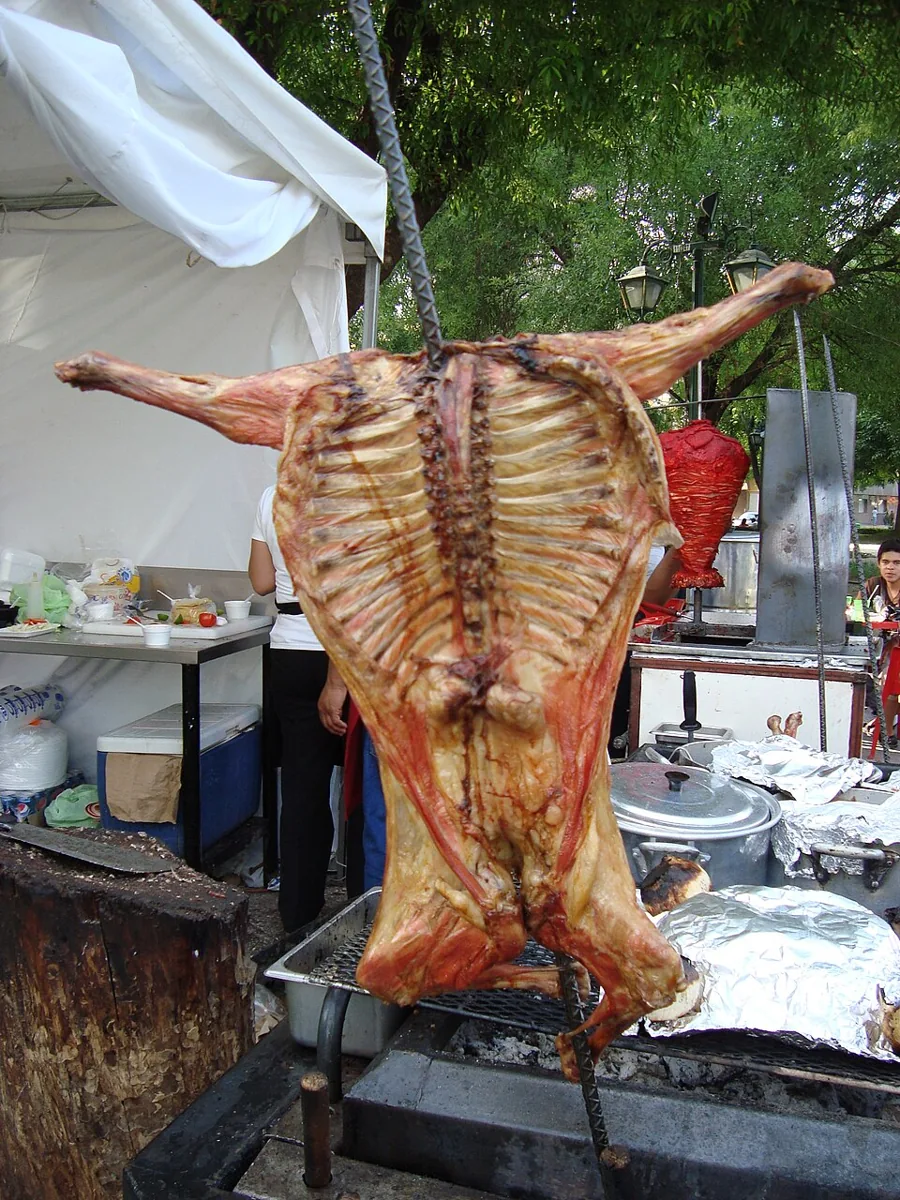
Cabrito al pastor (spit-roasted kid goat)
Milk-fed kid goat skewered on a rod and slowly roasted over charcoal, an icon of Monterrey.
 🍽️ Lunch⏱ 25′
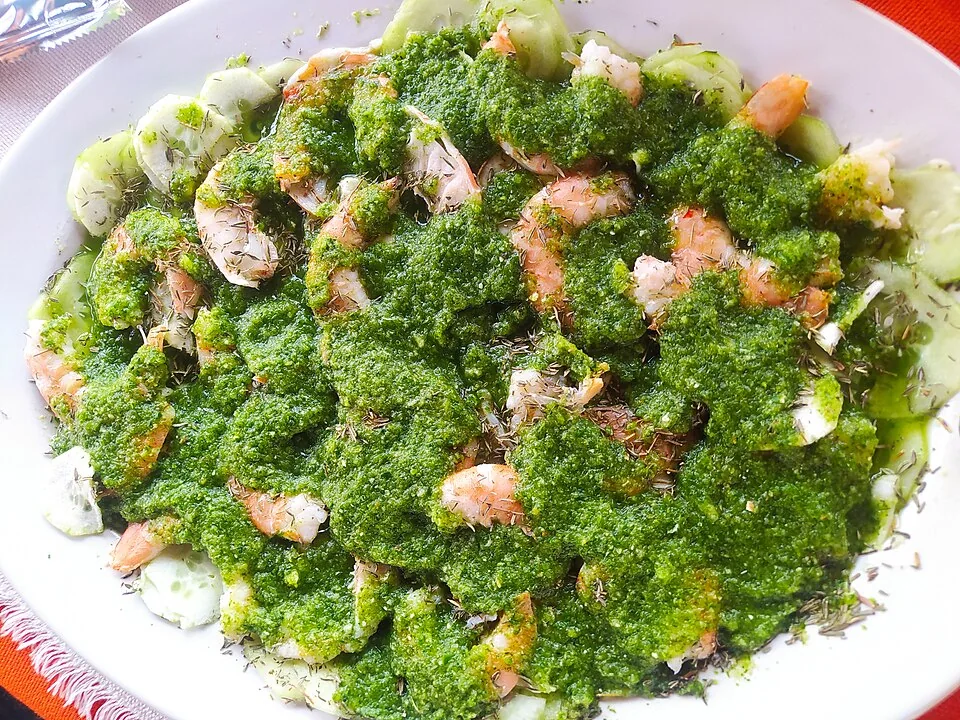
Green aguachile with cooked shrimp
An adaptation of Sinaloan aguachile with cooked shrimp, lime, serrano, cucumber and red onion.
 🍽️ Lunch⏱ 30′
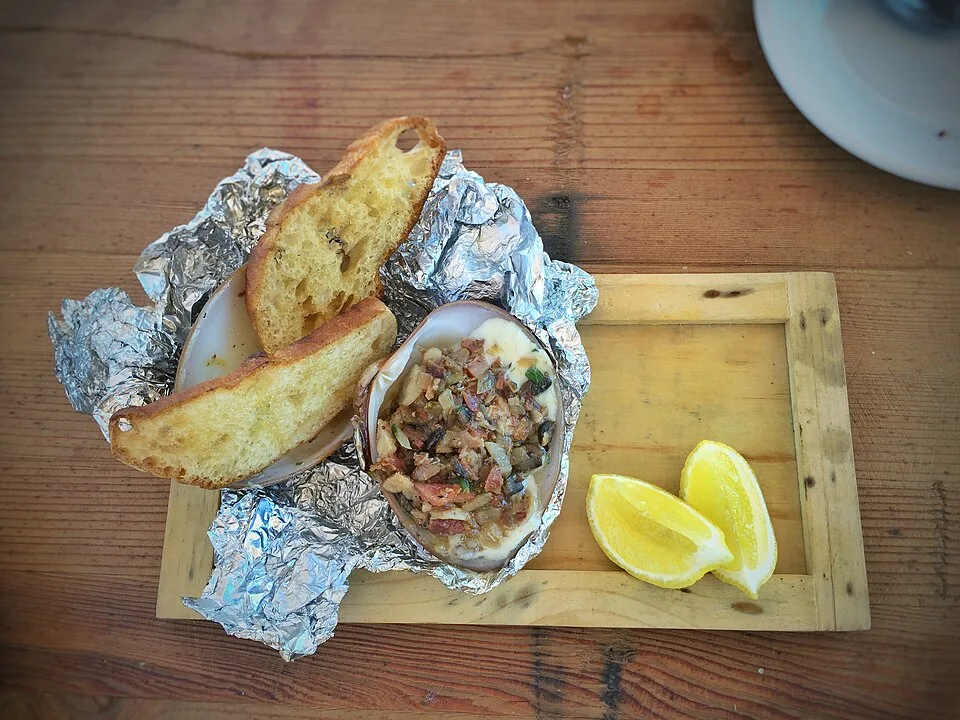
Almejas tatemadas (fire-roasted clams)
Grilled chocolate clams: a home adaptation of the dish associated with Loreto.
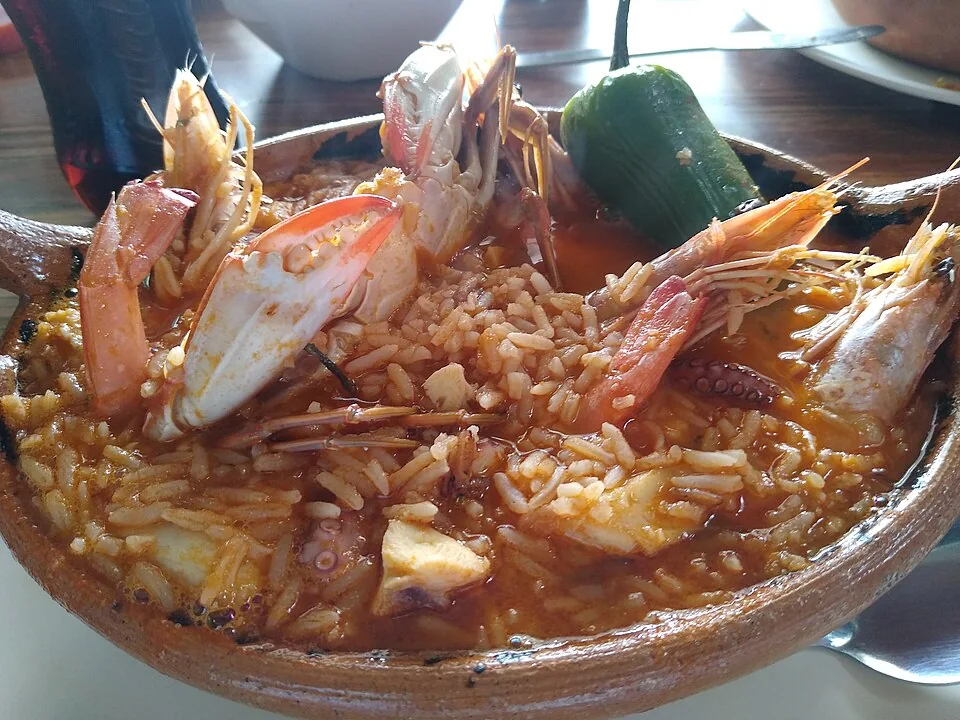 🍽️ Lunch⏱ 60′
Arroz a la Tumbada
A soupy tomato rice perfumed with epazote and loaded with seafood and fish from the Veracruz Sotavento.
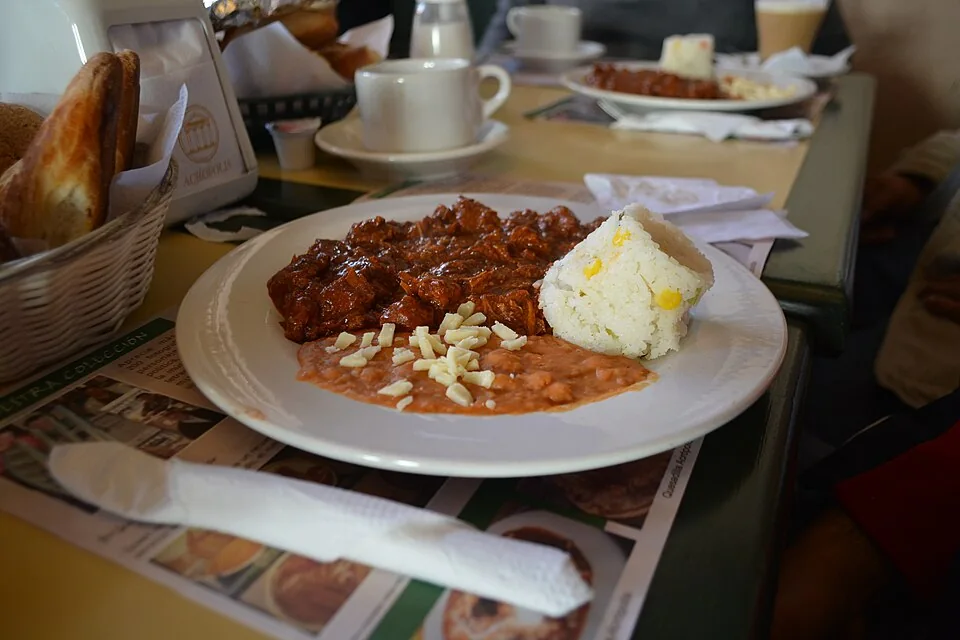 🍽️ Lunch⏱ 120′
Asado de boda zacatecano (Zacatecas wedding stew)
Pork in a sweet-and-sour sauce of dried chiles with chocolate and spices, a ceremonial stew of Zacatecas.
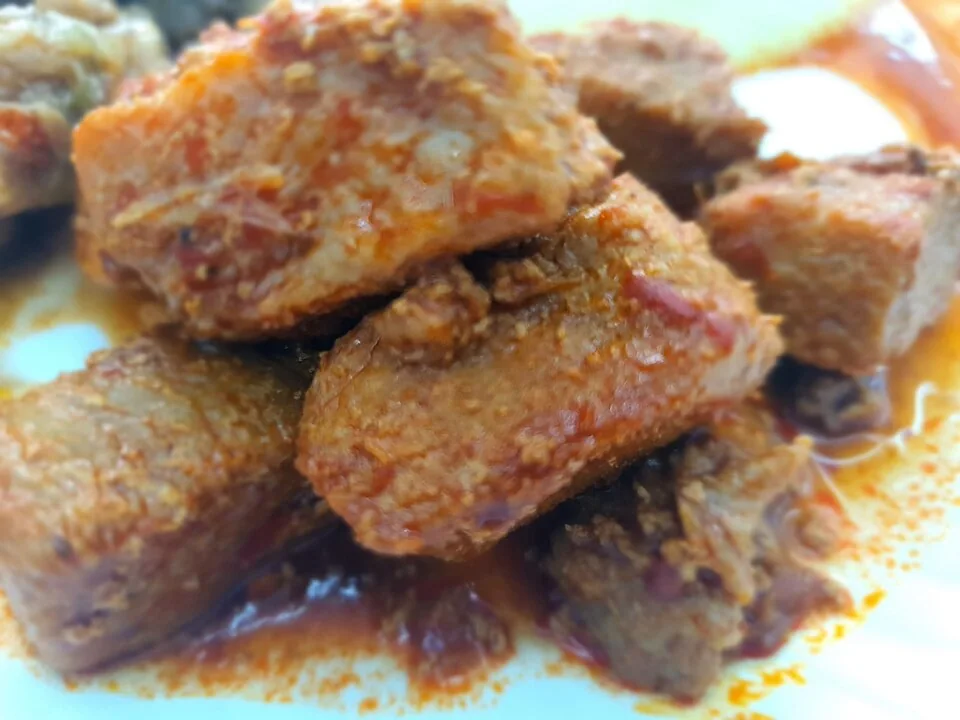 🍽️ Lunch⏱ 100′
Asado de puerco chihuahuense (Chihuahua-style pork in red chile)
Pork stewed in a red chile sauce with spices, served at parties and family meals.